Tree Trimming & Pruning
Tree Trimming in Reno & Sparks, NV
Get matched with an insured local pro for routine pruning, canopy shaping, storm-prep trimming, or clearance work — no obligation, no pressure.
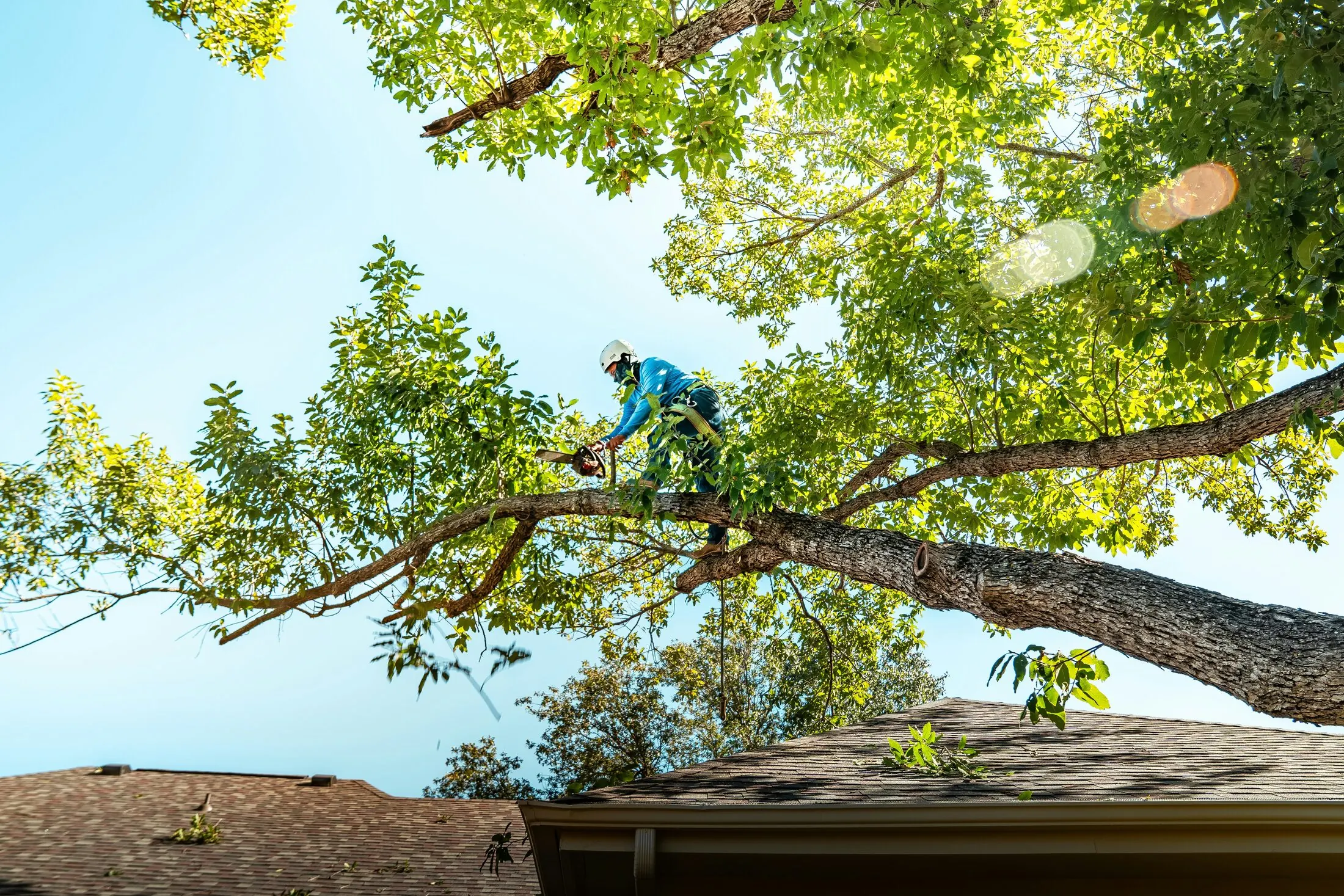
Tree trimming in the Reno/Sparks area typically runs $400–$900 per tree as of September 2026, based on national pricing benchmarks — small trees under 30 feet usually cost $250–$700, while trees over 60 feet can run $1,000–$2,500+ or more. Actual price depends on the tree's size, condition, and how hard it is to reach.
We match you with an insured local tree pro — we don’t perform the work ourselves. We don't send a crew ourselves — we route your job to a vetted, insured local tree professional who gives you a firm, tree-specific quote before any work starts.
What Tree Trimming Costs, by Tree Size
These are national benchmark ranges homeowners can use as a starting point — not a guaranteed Reno quote. Your matched pro will price the job after seeing the tree in person.
| Tree size | Typical cost |
|---|---|
| Small tree (up to 30 ft) | $250–$700 |
| Medium tree (30–60 ft) | $600–$1,200 |
| Large tree (over 60 ft) | $1,000–$2,500+ |
Most tree services also charge a minimum service/callout fee of $100–$300+, even for small jobs. Overall market range runs from $80 on the low end to $2,500+ for large, difficult, or multi-tree jobs.
What Affects Your Price
- Tree height and canopy size — taller trees need more rigging, time, and often bucket-truck or climbing access.
- Access — trees near power lines, fences, roofs, or with tight yard access typically cost more to trim safely.
- Condition — dead wood, storm damage, or disease can add cleanup and disposal time.
- Number of trees — most pros offer a per-tree discount when trimming several trees on one visit.
- Debris removal — hauling and disposing of trimmed branches is sometimes priced separately from the labor itself.
When to Trim (and When Not To)
Most deciduous trees in the Reno area are best trimmed in late winter while dormant, which reduces stress on the tree and makes structure easier to see. Storm-damaged limbs, hazards over a roof or driveway, and dead wood are worth addressing any time of year rather than waiting for a "trimming season." If a tree is more dead than alive, trimming won't fix that — see our tree removal page instead.
Signs Your Tree Needs Trimming
- Branches touching the roof, siding, or power lines — clearance issues that create fire or damage risk over time.
- Crossing or rubbing branches — these wear through bark and create entry points for pests and disease.
- Dense, overcrowded canopy — thinning improves airflow and light, and reduces wind resistance during storms.
- Low branches over walkways, driveways, or patios — a clearance and liability issue, especially for rental or commercial properties.
- Visible deadwood — dead branches are the most common cause of storm-related limb failure and should be removed proactively.
What a Trimming Visit Typically Includes
Most trimming jobs follow a similar structure: the pro assesses the tree and confirms scope with you, makes the cuts (by hand for smaller trees, often with climbing gear or a bucket truck for taller ones), and then chips or hauls the resulting branches. Ask whether your quote includes debris hauling — it's one of the most common places pricing differs between bids, since some pros leave cut material on-site by default.
A Note for Reno/Sparks Properties
Many Reno-area subdivisions and HOAs have their own tree-maintenance rules, particularly around clearance from roofs and shared fence lines — worth a quick check if you're in an HOA before scheduling. Properties near the foothills also sometimes fall under defensible-space guidelines that affect how much dead wood and canopy density is allowed near a structure; if that applies to you, mention it when requesting a match so your pro can account for it.
How Matching Works
- Tell us what you need trimmed and where you're located.
- We match you with an insured, independent local tree pro who covers your area.
- The matched pro contacts you directly to schedule a look and give you a firm quote.
How We Vet Every Matched Pro
You're trusting someone with a chainsaw near your house, your power lines, and your family — that's not a match we take lightly.
- Active general liability insurance — verified before we match you with a pro, not taken on their word.
- Real local coverage — matched pros actually service Reno and Sparks, not a call center routing to whoever's available nationally.
- Credentials noted where held — ISA certification or TCIA accreditation, when a pro carries them, factors into who we match you with. Nevada has no contractor-license classification specific to tree work, so this is a meaningful signal, not a formality.
- No obligation — getting matched and getting a quote doesn't commit you to hiring anyone.
Frequently Asked Questions
How much does tree trimming cost in Reno?
How often should trees be trimmed?
Is tree trimming different from tree removal?
Do I need a permit to trim a tree in Reno or Sparks?
What’s the difference between topping and trimming?
Should I trim my own trees to save money?
Do I need to be home during trimming?
What’s the best time of year to trim trees in the Reno area?
Is my call recorded?
Ready to Get Your Tree Trimmed?
We match you with an insured local tree pro — we don’t perform the work ourselves.